


Diaspora Flet 2025 in Germany: Connecting Diaspora, Culture, and Development Across Borders
Dates: 7–9 November 2025 | Location: Cologne, Germany
Organized by: GERMIN, with support through GIZ – MEG, and in partnership with the diaspora organizations: URACult e.V. Köln, ODA e.V. Hamburg, OASA e.V. Berlin, Dija e.V. Munich, HorizontAL e.V. Frankfurt
Website: https://diasporaflet.germin.org/germany
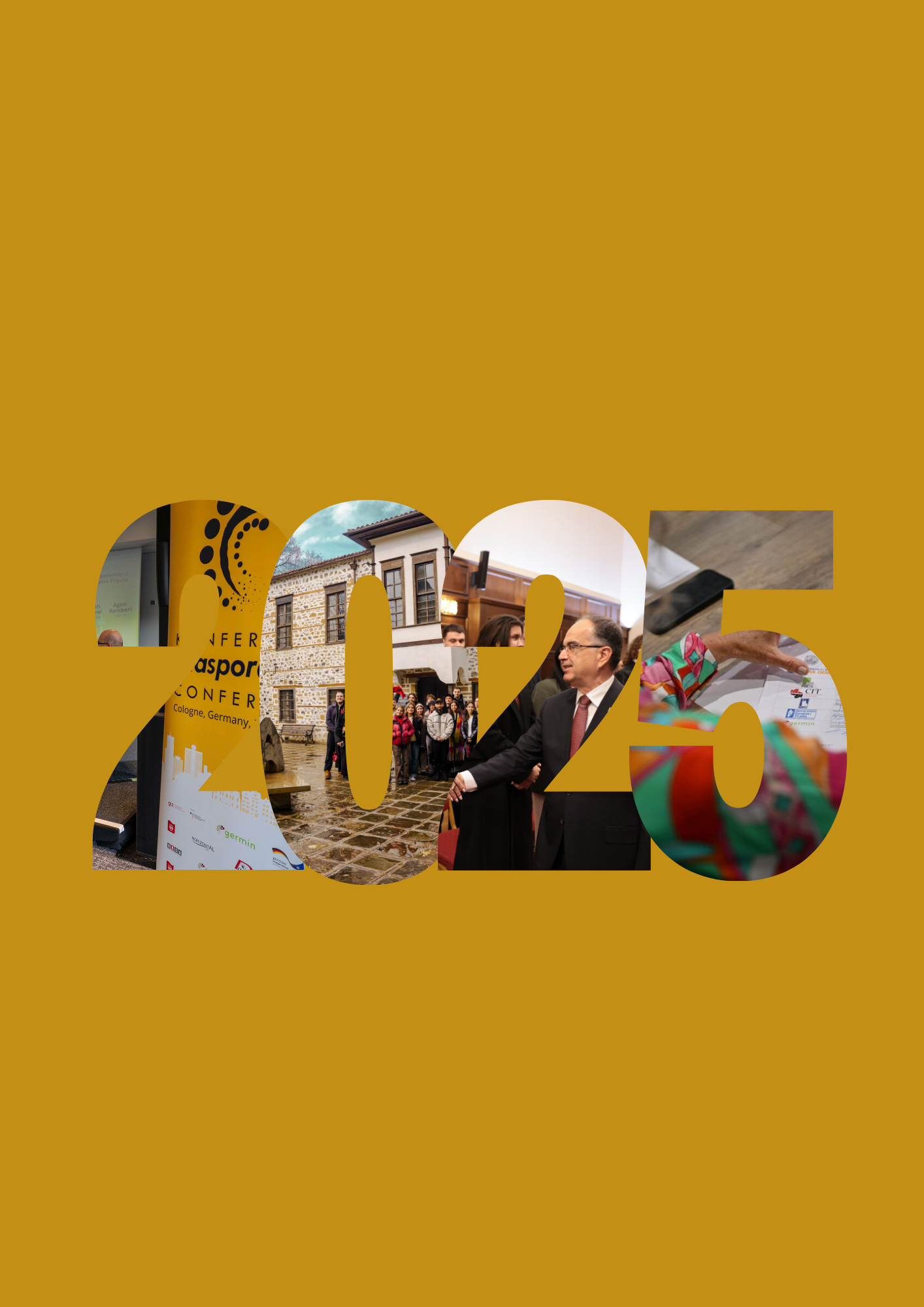
Diaspora Flet 2025 in Germany marked a major step forward in diaspora engagement for Albanian-speaking communities and partner diasporas in Europe. As the first edition hosted in Germany, home to one of the largest Albanian-speaking diaspora communities in Europe, the conference created a structured space for intercultural learning, knowledge exchange, and practical cooperation across diaspora organizations, professionals, and institutions.
Lexo raportin e plotë KËTU. HERE.
Conference at a Glance
- 159 participants across three days
- 39 speakers and moderators
- 5 thematic panels + 1 institutional session
- Diaspora organizations in Germany: 20
- MEG and partner diaspora organizations: 7 (including Nepal, Ethiopia, Germany–Ecuador, Ukraine, Ghana, Afghanistan)
Feedback survey responses: 71
- Overall satisfaction: 83.1% “very satisfied”
- Networking rated “good/very good”: 92.96%
- New connections likely to lead to cooperation: 73.24%
Why Diaspora Flet 2025 in Germany mattered
Germany is a key hub for Albanian-speaking diaspora communities, with strong local organizations, cultural initiatives, and professional networks. Hosting the Diaspora Flet in Cologne strengthened national-level connectivity among diaspora actors in Germany and broadened the conference into a multi-diaspora, GIZ/MEG-integrated platform.
Diaspora Flet 2025 demonstrated that diaspora engagement is most effective when it is structured, partnership-based, and oriented toward concrete collaboration—supporting both social cohesion and integration in Germany and development contributions in Kosovo and Albania.
Programme Highlights
Day 1: Culture, Identity, and Intercultural Exchange
The conference opened with a strong focus on culture as a driver of identity, belonging, and community cohesion. Discussions and performances emphasized cultural continuity across generations and the role of arts in strengthening diaspora connection and integration.
Day 2: Knowledge Exchange, Innovation, and Education
Four thematic panels explored:
- diaspora networks, skills and cooperation models;
- comparative experiences from MEG partner countries;
- technology and innovation ecosystems;
- education and the importance of origin-language learning.
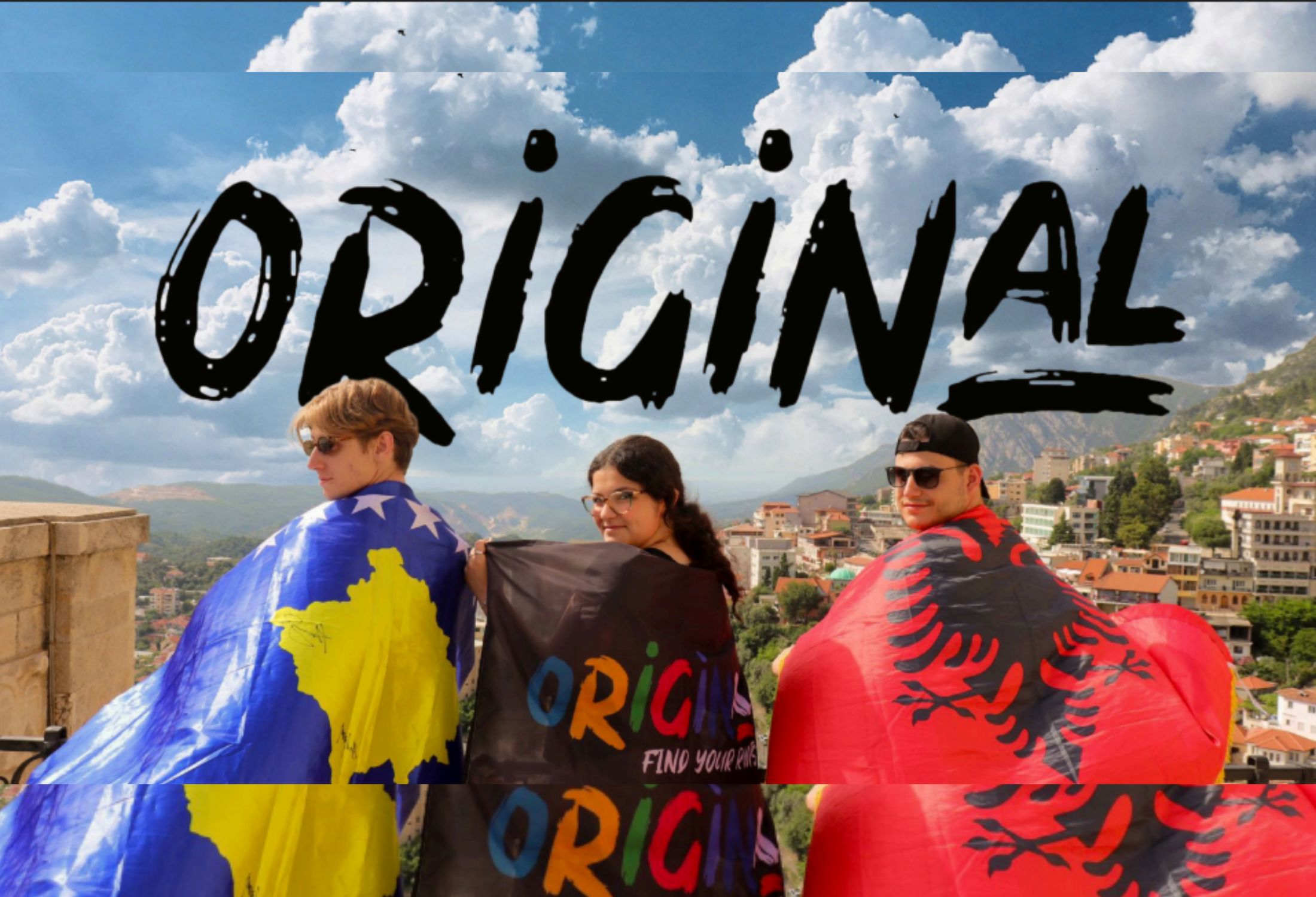
The day concluded with a networking reception and the screening of the OriginAL Program documentary, supporting relationship-building across generations.
Day 3: Institutional Session (Funding and Engagement Pathways)
A dedicated institutional session featured presentations by Kosova’s Ministry of Foreign Affairs and Diaspora (MFAD) and Albania’s National Diaspora Agency, focusing on funding schemes, application procedures, and opportunities for diaspora engagement. Participants welcomed the practical information shared and expressed interest in clearer follow-up mechanisms and continued institutional outreach.
Results and Impact: What the conference achieved
- Stronger diaspora networks in Germany: Participants reported meaningful connections across cities and organizations, reinforcing the need for a more connected diaspora ecosystem and more structured collaboration formats.
- Cross-diaspora learning through engagement with multi-cultural diasporas: The presence of diaspora organizations from MEG partner countries created tangible value through comparative dialogue—highlighting shared challenges (capacity, sustainability, integration, youth engagement) and practical solutions that can be adapted across contexts.
- Increased awareness of institutional support and funding opportunities: The institutional session increased visibility of existing funding mechanisms and engagement opportunities offered by Kosovo and Albania. Many participants noted they were previously unaware of these schemes and expressed interest in improved access to guidance for successful applications.
What participants said: Key themes from feedback
Survey feedback and qualitative inputs highlighted that participants valued:
- the quality and diversity of speakers and perspectives;
- the international and intercultural dimension;
- the balance between culture, innovation, education, and institutional dialogue;
- professional organization and a clear conference narrative.
Participants also recommended improvements for future editions, including:
- more interactive formats (workshops, fishbowl discussions, breakout groups);
- structured side events and thematic networking spaces;
- a “Diaspora Organizations Fair” to showcase initiatives;
- more hybrid and livestreaming options to broaden access.
Priority Recommendations (Next Steps)
Based on conference discussions and participant feedback, the full report proposes a roadmap for future action. Key priorities include:
- Pilot a multi-generational cultural engagement program for Albanian diaspora youth in Germany, combining arts, storytelling, heritage learning, and intergenerational exchange.
- Conduct a comprehensive landscape study on Albanian-speaking diaspora organizations in Germany to better understand their profiles, capacities, funding models, and needs—supporting improved programming and evidence-based policy development.
- Create a structured cross-diaspora exchange model (peer-learning cohorts, short exchange visits, and communities of practice) between diaspora organizations in Germany and those from MEG partner countries and Europe.
- Develop an interactive digital platform for diaspora organizations in Germany, including a verified directory, shared calendar, and collaboration tools to improve visibility and coordination.
- Strengthen supplementary origin-language learning, supporting diaspora teacher associations, developing modern digital materials, and enabling easier access for families (including a “class locator” tool).
- Improve institutional outreach and coordination, including clearer and more consolidated information about funding opportunities, application guidance, and follow-up support—ideally through coordinated Kosovo–Albania mechanisms reflecting the unified nature of diaspora communities in Germany.
Read the Full Report
The complete Post-Conference Report includes full session summaries, survey analysis, lessons learned, and detailed recommendations for future programming.
Lexo raportin e plotë KËTU. HERE.