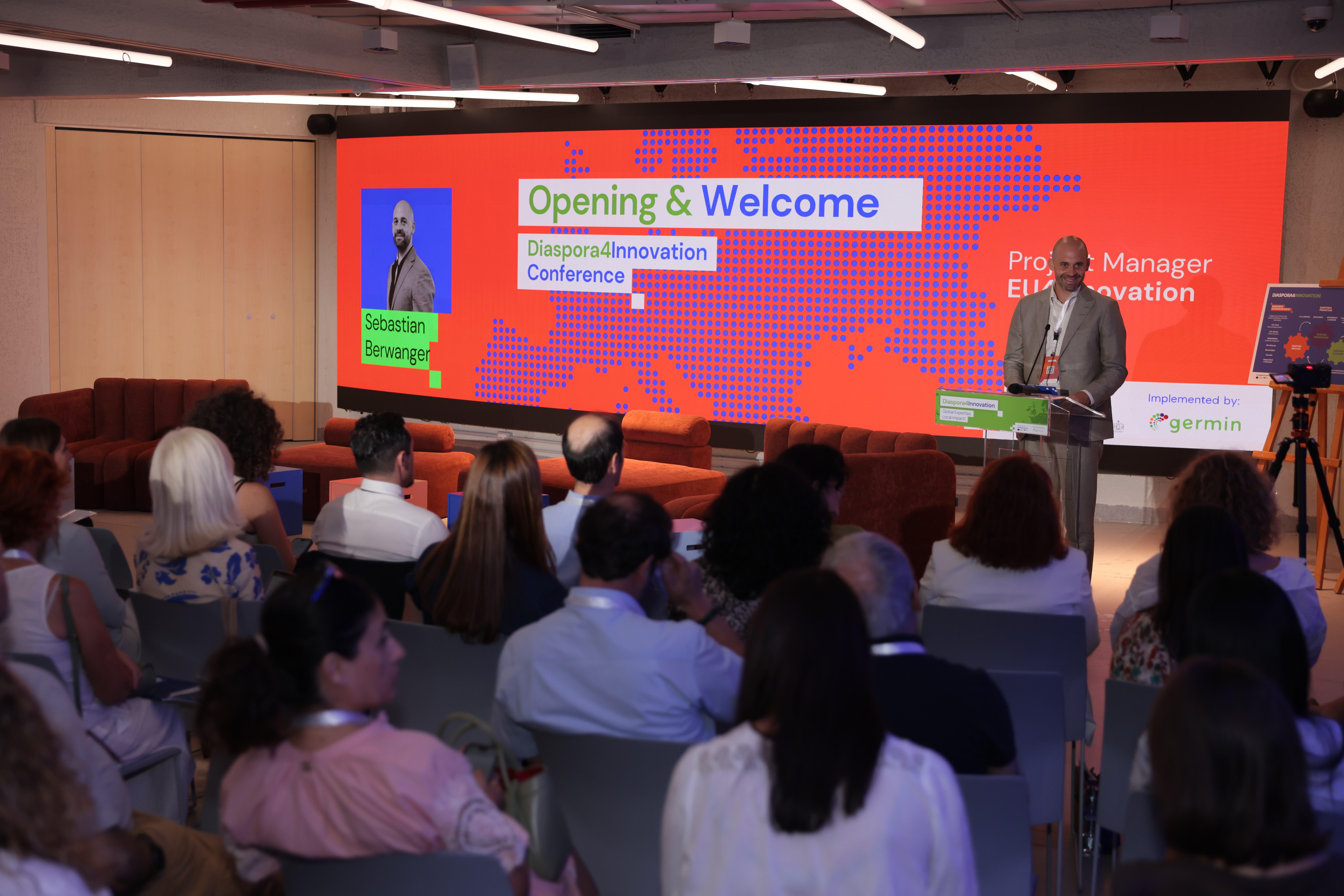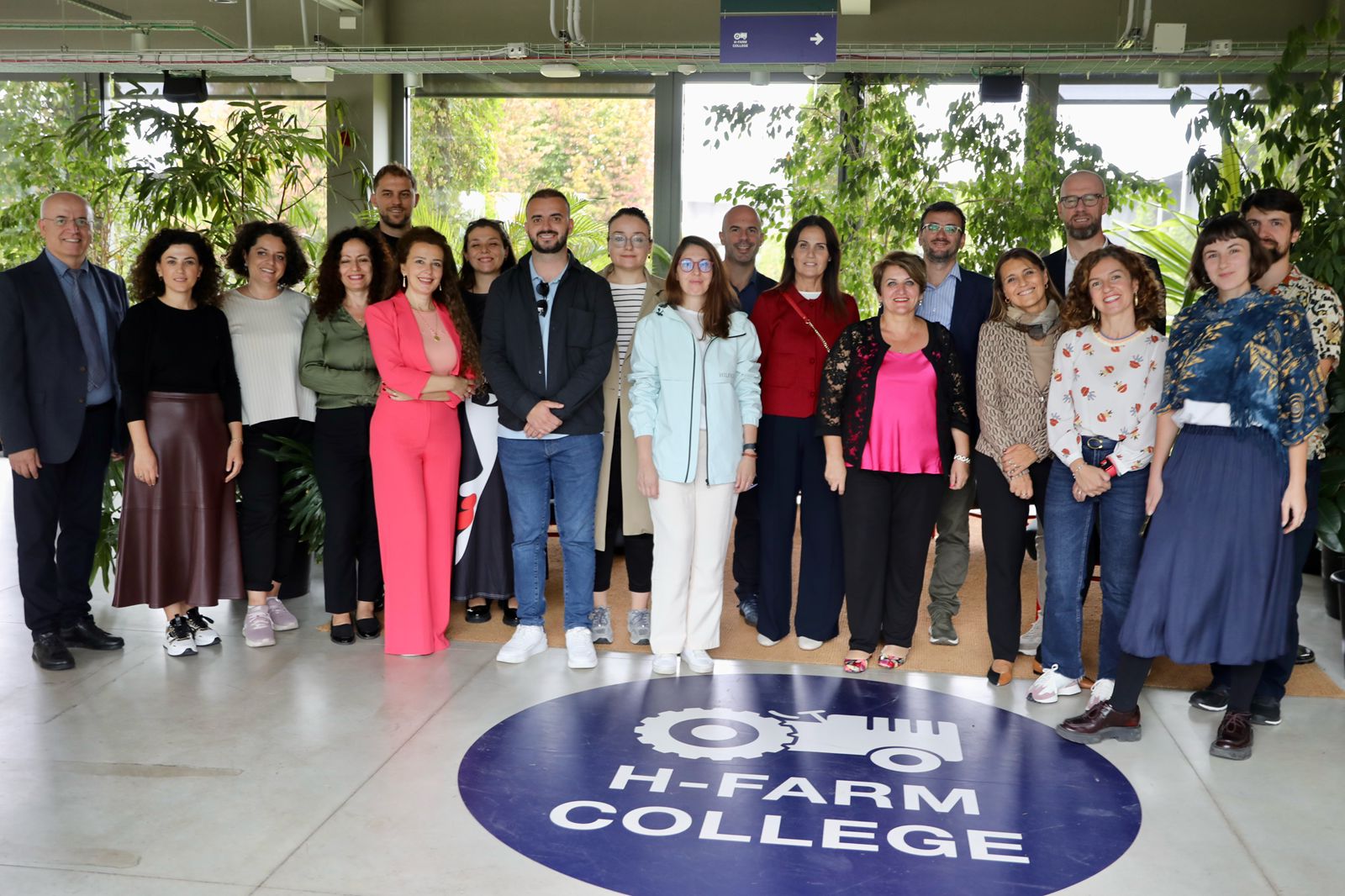



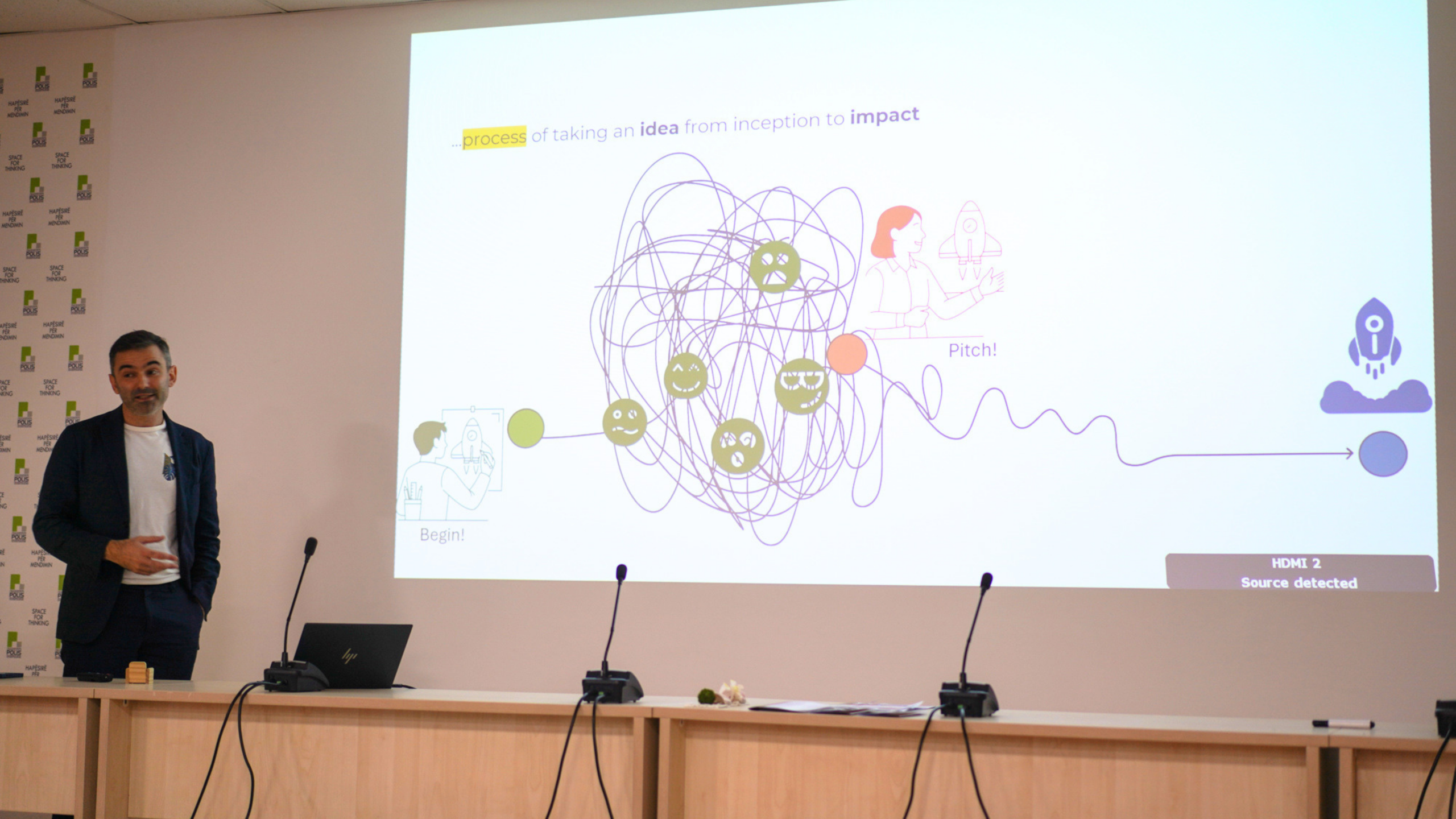
Through the Diaspora4Innovation initiative, a strong connection has emerged between global expertise and local potential. One recent collaboration shows how diaspora scholars can help transform higher education by bringing practical innovation into the classroom while learning from the local context.
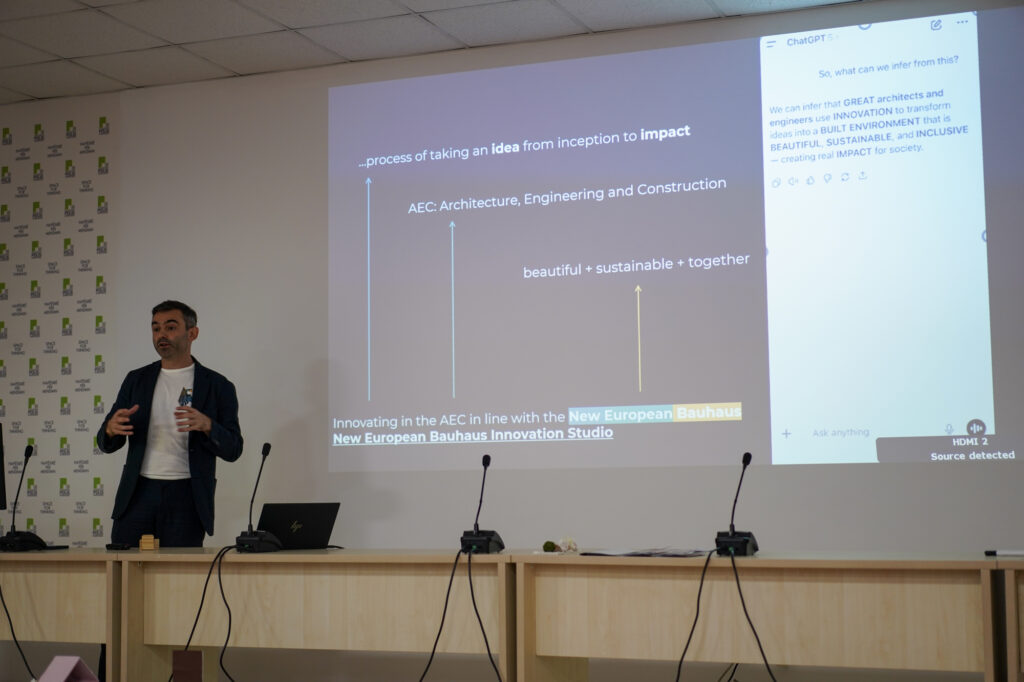
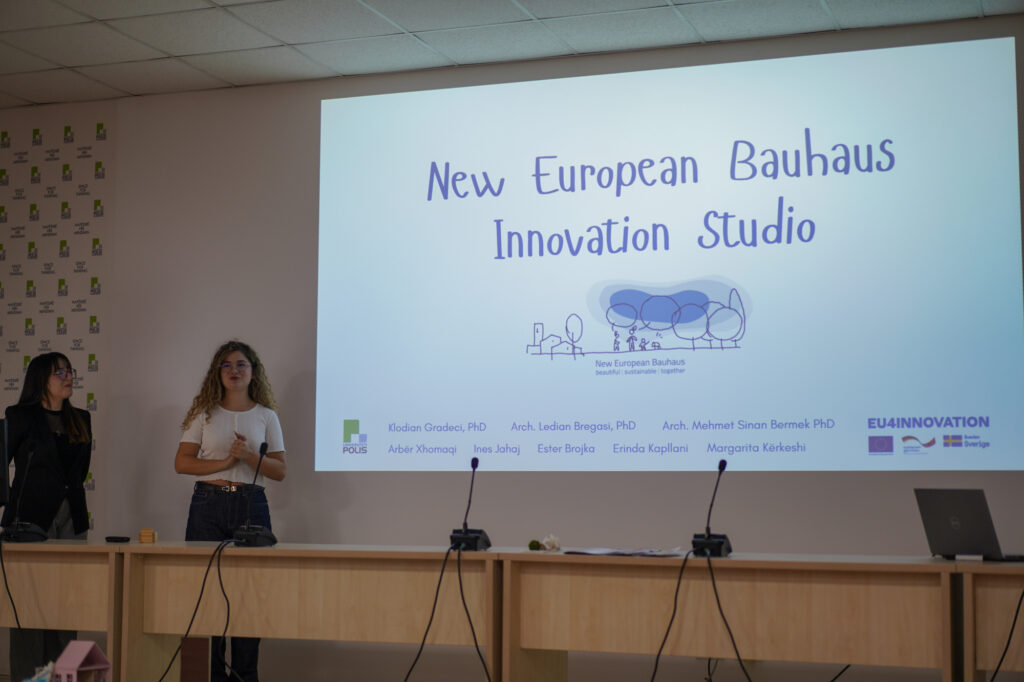
This collaboration brought together Dr. Klodian Gradeci, Diaspora Scholar, Senior Business Developer at SINTEF and Adjunct Lecturer at Oslo Metropolitan University, Norway; and Dr. Ledian Bregasi, Resident Scholar and Dean of the Faculty of Architecture and Design at POLIS University, to co-design and co-teach the course entitled ‘New European Bauhaus Innovation Studio.’
For Dr. Gradeci, the opportunity to contribute to higher education in Albania was both professional and personal. Motivated by curiosity and a strong desire to give back, he co-designed and co-taught a two week intensive course with Dr. Bregasi at Polis University in Tirana as part of Tirana Design Week. From the outset, the goal was clear: move beyond theory and create a space where students could actively practice innovation. Teaching in Albania carried a strong sense of purpose. By returning to actively contribute to the academic landscape, he transformed his role as a diaspora scholar into a direct investment in Albania’s emerging talent and intellectual growth.
Turning Theory into Practice
The course introduced students to innovation through a structured and hands-on approach built around three phases. First, students analyzed existing innovations to understand key principles. Then, they entered an intensive design sprint, where they developed their own concepts through real world user research. In the final phase, students refined their innovative pitches and presented them to an external jury composed of experienced professionals.
A flipped classroom model shaped the learning experience. Instead of focusing on lectures, class time centered on teamwork, application of tools, and direct feedback. The course also integrated the New European Bauhaus framework, encouraging students to consider sustainability, inclusion, and aesthetics as essential design criteria.
The course focused on bringing together people from different fields who don’t usually work together in the same classroom. By encouraging these different viewpoints to meet, Dr. Gradeci challenged students to think beyond their own discipline. The active collaboration of students from architecture, design, computer science, and business created a dynamic environment that pushed them to approach challenges from multiple perspectives and develop more thoughtful solutions.
At the beginning, students showed some hesitation, especially during the analytical phase. As they moved into developing their own ideas, their engagement shifted. Collaboration strengthened, confidence grew, and a clear sense of ownership emerged. By the final presentations, the students’ commitment had reached a level that went well beyond the requirements of the course. Their passion was most visible in the final push—working through the last day and night to ensure their ideas were fully realized. This insight reinforces the importance of experiential learning. Students learn most effectively when they actively build, test, and refine ideas that they feel responsible for.
Moments such as teams debating competing ideas, conducting interviews with real users, and refining their concepts showed learning in action. Dr. Gradeci also observed a strong sense of optimism among students about Albania’s innovation potential, offering a hopeful contrast to earlier perceptions.
A Lasting Impact Beyond the Classroom
The impact of the course extended beyond its duration. Two participating students went on to win first prize at the CliMobility City Lab Demo Day, an innovation-driven initiative aimed at mitigating Urban Heat Island effects and pioneering sustainable mobility solutions in the Western Balkans. By directly applying the tools and methods they learned during the course, they secured a €50,000 award to implement their winning idea: “Urban Oasis.”
For Dr. Gradeci, this outcome confirmed the value of a practice oriented approach. The course did more than deliver content. It helped students begin to see themselves as innovators capable of driving change in their fields.
The Power of Collaboration
The partnership between diaspora and resident scholars played a central role in the course’s success. Dr. Gradeci brought international methods and experience shaped by his work in Norway, while Dr. Bregasi contributed deep knowledge of the local academic environment and ensured effective integration within the institution.
This collaboration created a balanced and grounded teaching model. It demonstrated how global expertise and local insight can complement each other to produce stronger outcomes.
The composition of the student group further strengthened the experience. Many students later identified multidisciplinary teamwork as the most valuable aspect of the course, highlighting the importance of collaboration across fields.
This collaboration reflects the wider potential of diaspora engagement in education. When international experience connects with local knowledge, it creates meaningful opportunities for growth. Students gain practical skills, educators exchange perspectives, and institutions strengthen their capacity for innovation.
As initiatives like Diaspora4Innovation continue to evolve, they offer a clear path forward, one that empowers students and builds stronger links between Albania and global knowledge networks.
On behalf of the European Union, Germany, and Sweden, @eu_4_innovation is supporting Germin to facilitate the circulation of Albania’s global knowledge, locally!