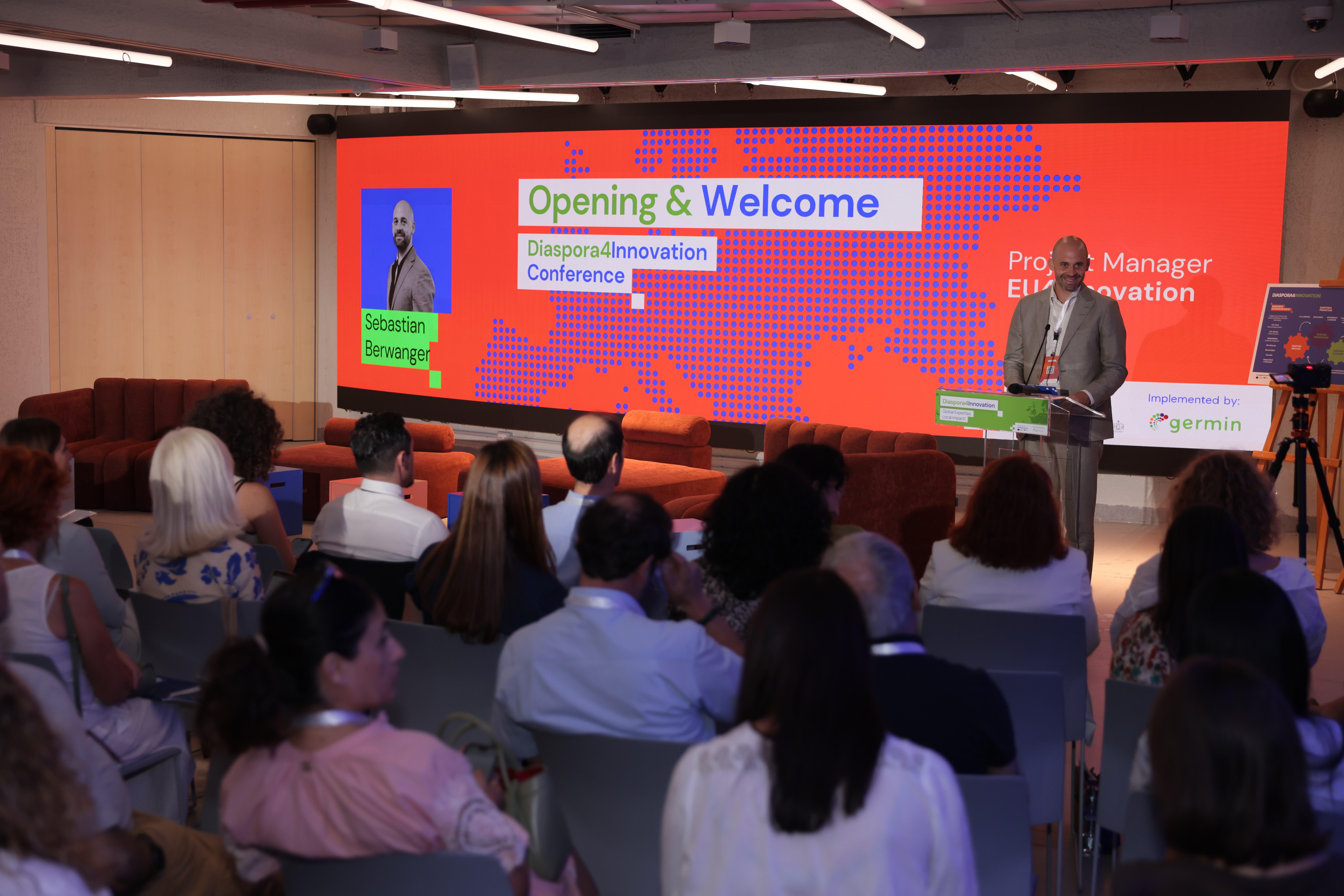



The Diaspora4Innovation project highlights how sustained collaboration between diaspora scholars and resident academics can drive innovation in higher education in Albania. By modernizing curricula, advancing research, and equipping students with the knowledge and skills needed to address emerging global technological challenges, this initiative effectively bridges regional education with global advancements.
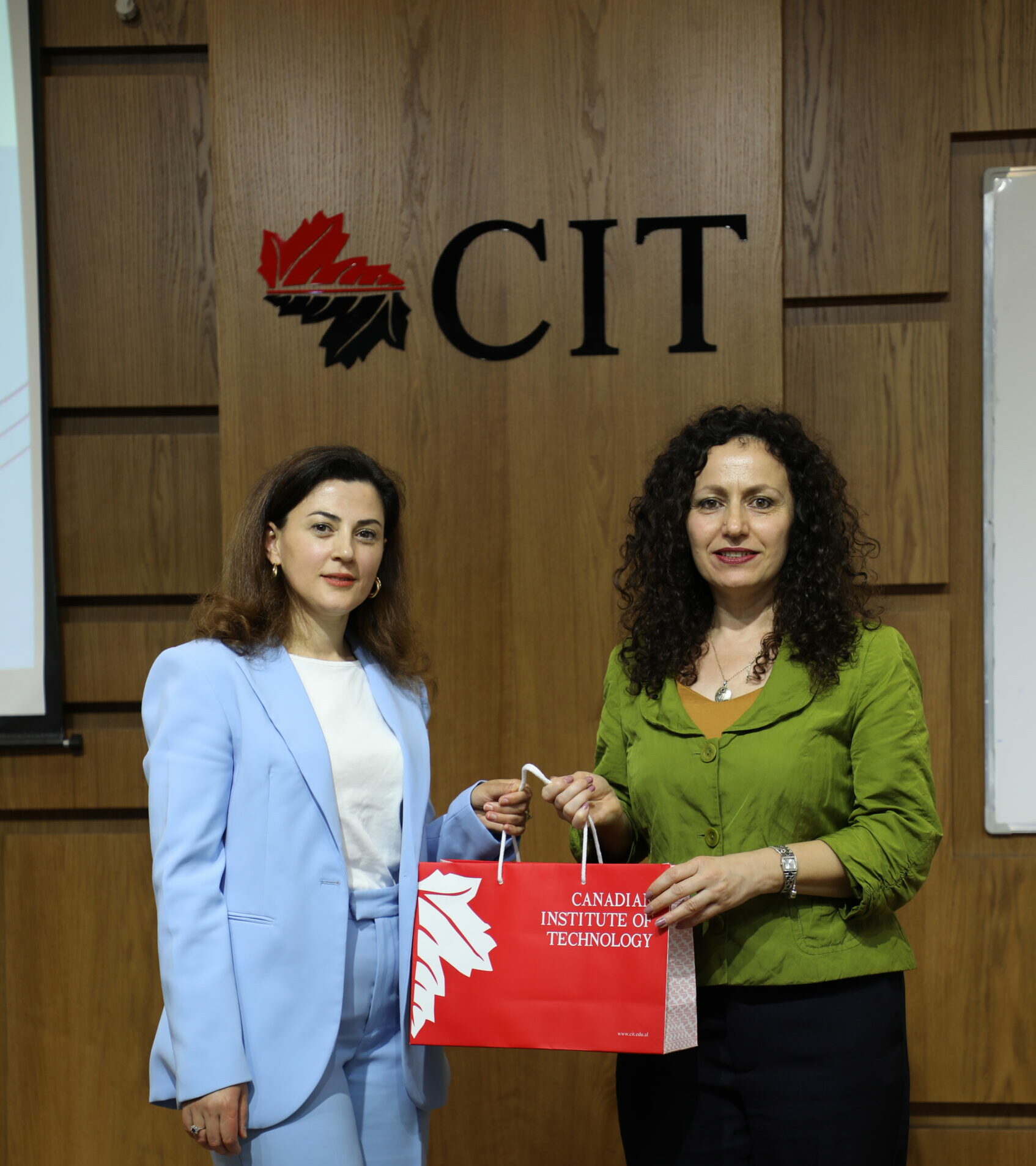
Within the framework of the Diaspora4Innovation project, a close academic partnership was established between Dr. Lisana Berberi, a diaspora scholar from the Karlsruhe Institute of Technology (KIT), and resident scholars at the Faculty of Engineering of the Canadian Institute of Technology (CIT): Associate Professor Dr. Entelë Gavoçi, Dean of the Faculty, and Associate Professor Dr. Nihat Adar. Together, they developed a collaborative model combining co-teaching, curriculum modernization, and joint research to advance engineering education and foster pedagogical innovation.
To impact both undergraduate and graduate levels, two core courses were comprehensively updated. At the undergraduate level, the Physics I (PHS/I 115) course was modernized during the Spring 2024–2025 academic terms for students across all engineering programs through the joint efforts of Dr. Berberi and Assoc. Prof. Dr. Gavoçi. During the planning phase, they collaborated remotely to redefine learning outcomes, select appropriate computational tools, and develop student-friendly programming exercises. A pivotal innovation introduced to the physics curriculum was the integration of computational physics via Python-based simulations using NumPy, Matplotlib, and SciPy within Jupyter Notebooks. This approach fused theoretical concepts with hands-on coding, enabling undergraduates to visualize physical phenomena dynamically, model real-world systems, and analyze experimental data. By embedding programming directly into foundational physics education, the course promoted interdisciplinary thinking and offered early exposure to essential scientific computing resources.
At the graduate level, the Artificial Intelligence, Machine Learning, and Deep Learning (AI/ML/504) course within the Master of Software Engineering program was updated for the Autumn 2025–2026 academic term through the co-teaching expertise of Dr. Berberi and Assoc. Prof. Dr. Adar. The collaboration began with a comprehensive review to align the curriculum with recent international advancements in artificial intelligence. The syllabus was enhanced by integrating Machine Learning Operations (MLOps) concepts and production-ready machine learning architectures, successfully shifting the academic focus toward enterprise-grade AI workflows.
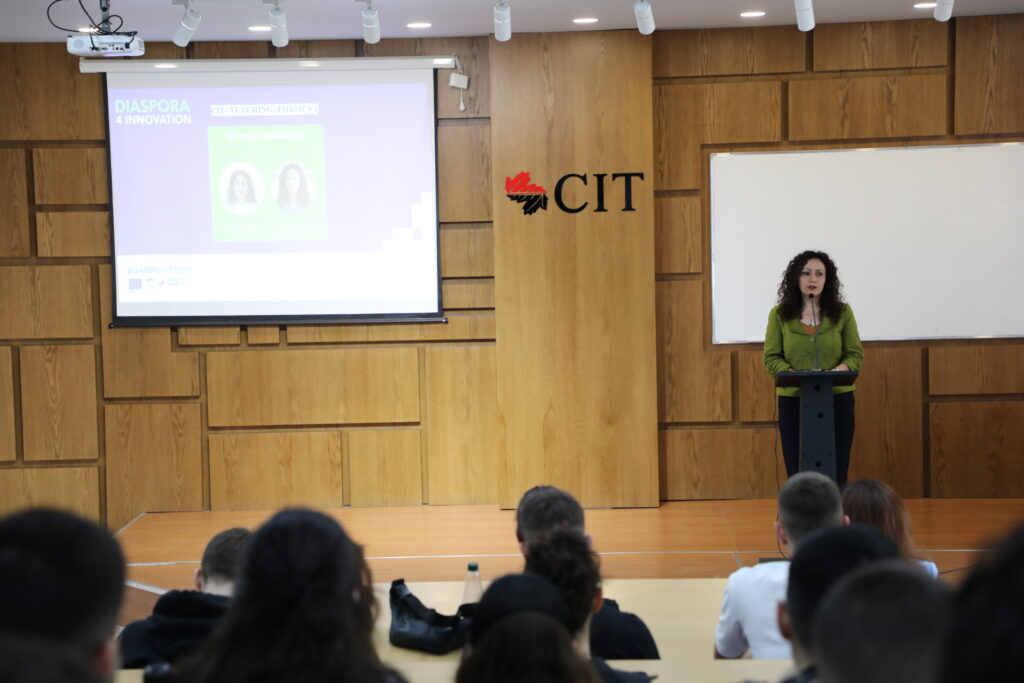
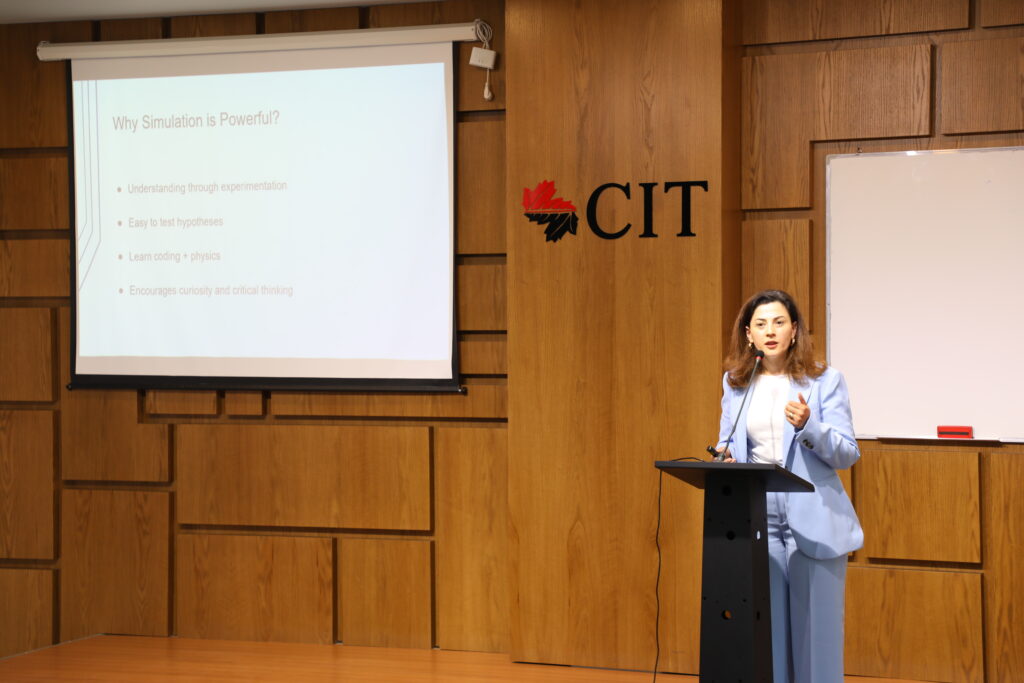
To further enrich the student experience, Dr. Berberi delivered specialized public open lectures at CIT, starting on Aprilin April 24, 2025 with a presentation titled “Simulating Nature: How Computing Helps Us Understand the Laws of Physics” for the undergraduate physics cohort, followed by a session on Novemberin November 25, 2025 entitled: “MLOps in Practice:Tracking and Deploying Machine Learning Models”, dedicated to advanced AI applications. In the laboratory sessions, these concepts were translated into practical skills; graduate students, for instance, engaged directly with MLOps workflows by utilizing a reproducible machine learning project template hosted on a shared GitHub repository. By adopting “cookiecutter” design patterns, they moved beyond theoretical modeling to master environment management, configuration-driven experimentation, and version control for development assets. More broadly, the integration of GitHub across both courses as a primary platform for sharing teaching materials and managing applications introduced all participating students to modern, industry-standard workflows, effectively reinforcing transparency, collaboration, and software engineering best practices.
The academic partnership also generated valuable research outcomes. Within the frameworkUnder the auspices of the Diaspora4Innovation project, Dr. Berberi presented the co-authored paper “Evaluating Machine Learning Models for Trip Duration Prediction in Taxi Data” at the 5th CIT International Conference on Technology, Business, and Tourism (CITTBT), held in Tirana on May 29, 2025. The paper was subsequently published in the Communications in Computer and Information Science (CCIS) series (Vol. 2669, Springer), elevating the collaborative research profile of the participating institutions.
The successful execution of these modernized courses, laboratory sessions, public lectures, and research initiatives was made possible by CIT’s robust infrastructure. The institution’s state-of-the-art teaching facilities, technological resources, and strong administrative backing provided an ideal environment for effectively carrying out all planned project activities and contributed significantly to the project’s overall success.
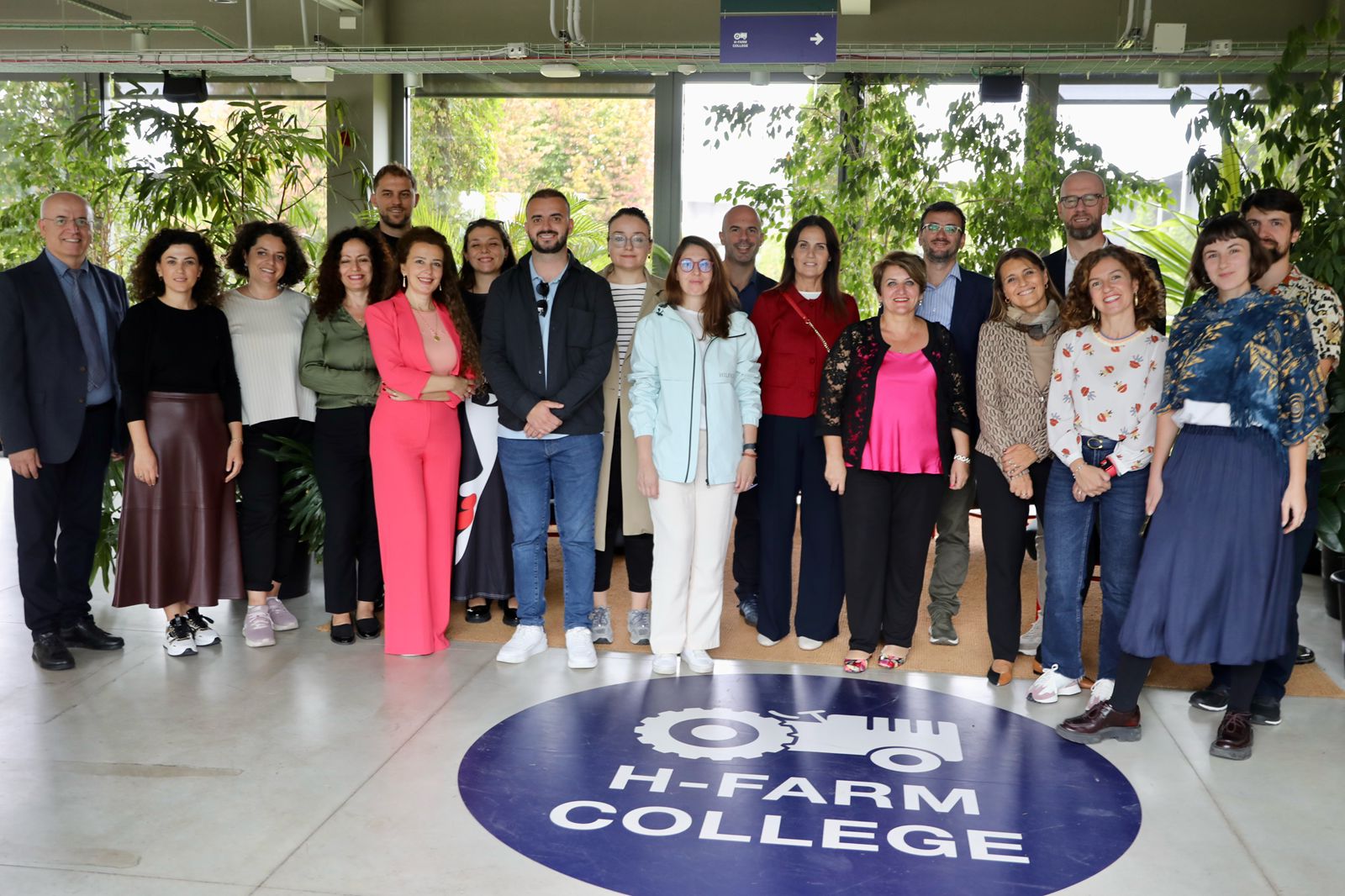
Furthermore, the Diaspora4Innovation project facilitated a study visit for the collaborating scholars to the Future Farming Initiative and H-FARM innovation ecosystems in Venice, Italy. This visit offered valuable exposure to forward-thinking models at the intersection of higher education, entrepreneurship, digital transformation, and emerging technologies, while laying the groundwork for future cross-border institutional partnerships and collaborative research.